How well do you know yourself? And how much do you understand about the changes our bodies go through in midlife?
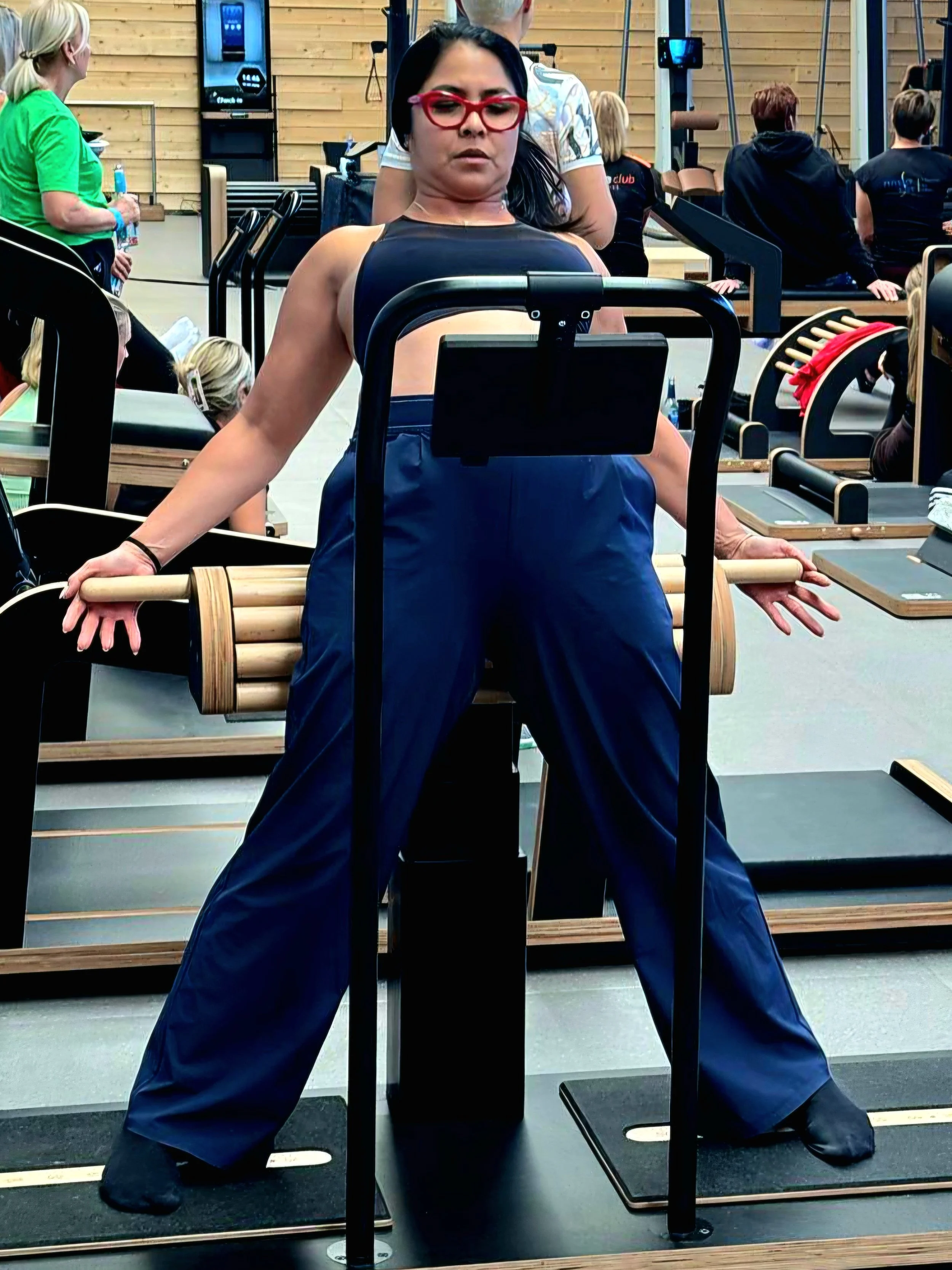
“As our bodies change during perimenopause, our exercise and lifestyle routines may need to change, too.”
LYEN WONG
My Personal Journey Through Perimenopause Symptoms
We all experience perimenopause differently, so today I’m speaking from my own experience. For almost a decade, perimenopause has changed my life in many ways. I went from being a competitive athlete who loved training, had plenty of energy, and kept reaching new goals to feeling like a 100-year-old woman whose world was ending.
It began when I was 42. I had mild hot flashes and unexpected changes in my body temperature, muscle and joint aches, and a big drop in my energy and motivation. At first, my body composition stayed about the same. I could still enjoy my favorite foods and be inconsistent with my training without noticing much change.
Over the years, I became more tired than ever. My workouts became less consistent and less intense. By 49, it was harder to maintain my usual body fat, muscle mass, and energy. My weight increased, especially around my belly.
“Aw, jeez. This is real,” I said to myself.
If you’re going through something similar, you may know what it feels like to keep pushing yourself to be who you used to be, even when your body is asking for something different. We want to do more, and we want to feel better, but we struggle to find the energy to match what we expect of ourselves. When we keep pushing without paying attention to how we feel, we can end up more frustrated and exhausted.
I haven’t found one answer that fixes everything, but I’ve found a few ways to take care of myself and keep moving through this stage. Let me share what has helped me so far.
Perimenopause Tips: How to Stay Active, Fit, and Feel Better
1. Work out wisely
Listen to your body. Notice how you feel during and after exercise. Do you feel a little more energized, or completely drained?
Adjust as you go. Your energy can change from day to day. It’s okay to change your plan to fit how you feel.
Choose movement that supports you. Focus on exercises and recovery that help you feel stronger and more capable, rather than making every workout a test of how much you can push.
2. Take care of your mental health
This journey can feel long, and some days can be harder than others. You don’t have to pretend you’re fine.
Be patient with yourself as you adjust to the changes. Our bodies are changing and our routines may need to change too.
Be gentle with yourself. You’re doing the best you can with how you feel today.
Plan your days, but try not to fill every moment or put too much pressure on yourself.
Take another look at your goals. Some may still matter to you; others may need to change.
Make time to talk with friends, or look for a group where you feel heard and understood.
Read, watch or listen to something that encourages you and helps you find your own solutions.
Take a break when you need one. If you’re tired or having trouble focusing, a pause may help you come back with a clearer head.
Remind yourself that you’re still learning what works for you.
Don’t feel overwhelmed by all the confusing information out there. Everyone seems to be an expert these days. Take what works for you and throw the rest away.
3. Keep moving and build consistency
Start with 20–30 minutes of movement two or three times a week, if that feels manageable. If you need to start with less, that counts too.
Mix in strength training, light cardio, mobility, stretching, or any activity you enjoy.
Adjust the intensity to your energy. On a good day, you may want to do more. On a lower-energy day, choose an easier workout or a walk that leaves you feeling better.
Ask a friend to join you or find a group that helps you stay connected and encouraged, without making you feel pressured.
4. Make room for better sleep
If you can, prioritize getting 7–8 hours of sleep each night. If you struggle with insomnia, a cup of tea before bed might help.
5. Eat well and don’t punish yourself
Eat enough. You don’t have to starve yourself or punish your body with extreme diets (too much of one thing, too little of another, or going long stretches without eating. My God, it’s exhausting!. Try to include protein, fiber-rich foods, fruits and vegetables, carbohydrates, and healthy fats across your meals and snacks. You may find yourself craving refined sugar and richer foods a little more these days, so try to be mindful of that.
Perimenopause can be challenging. Understanding who you are and what your body needs, along with having support around you, can help you make realistic changes that work for you, so you can stay active, care for your health, and feel more balanced. Take time to adjust, be patient, and practice self-care without putting too much pressure on yourself. Whatever you choose, make sure it feels right for you.
For me, listening to my body and accepting where I am have made it easier to be patient and make changes without expecting myself to have everything figured out. There’s no one-size-fits-all approach, so start with what feels manageable and adjust as you go.
At 51, after 11 months without a period and while experiencing worse symptoms than before, I thought I was almost at the 12-month mark. Then my bleeding returned for two consecutive months. After it stopped again, I felt like I was starting the menopause journey all over again. I’m still learning about this stage, so I’ll share more of my journey soon.
Stay connected by signing up for my newsletter here.
If these tips were helpful, please share this post with another woman who might need them.
Between you and me…
What challenges are you facing during perimenopause? Share your experience or a tip that has helped you in the comments, or email me privately at lyen@lyenwong.com. Let’s build a community where we feel seen, heard, understood, and supported.
Hugs,
Lyen