
STRENGTH & MOBILITY THROUGH PERIMENOPAUSE AND MENOPAUSE
Perimenopause & Menopause Strength Training in Düsseldorf
Personal Training for women navigating perimenopause and menopause.
In-Home in Düsseldorf + Miami . Live online worldwide
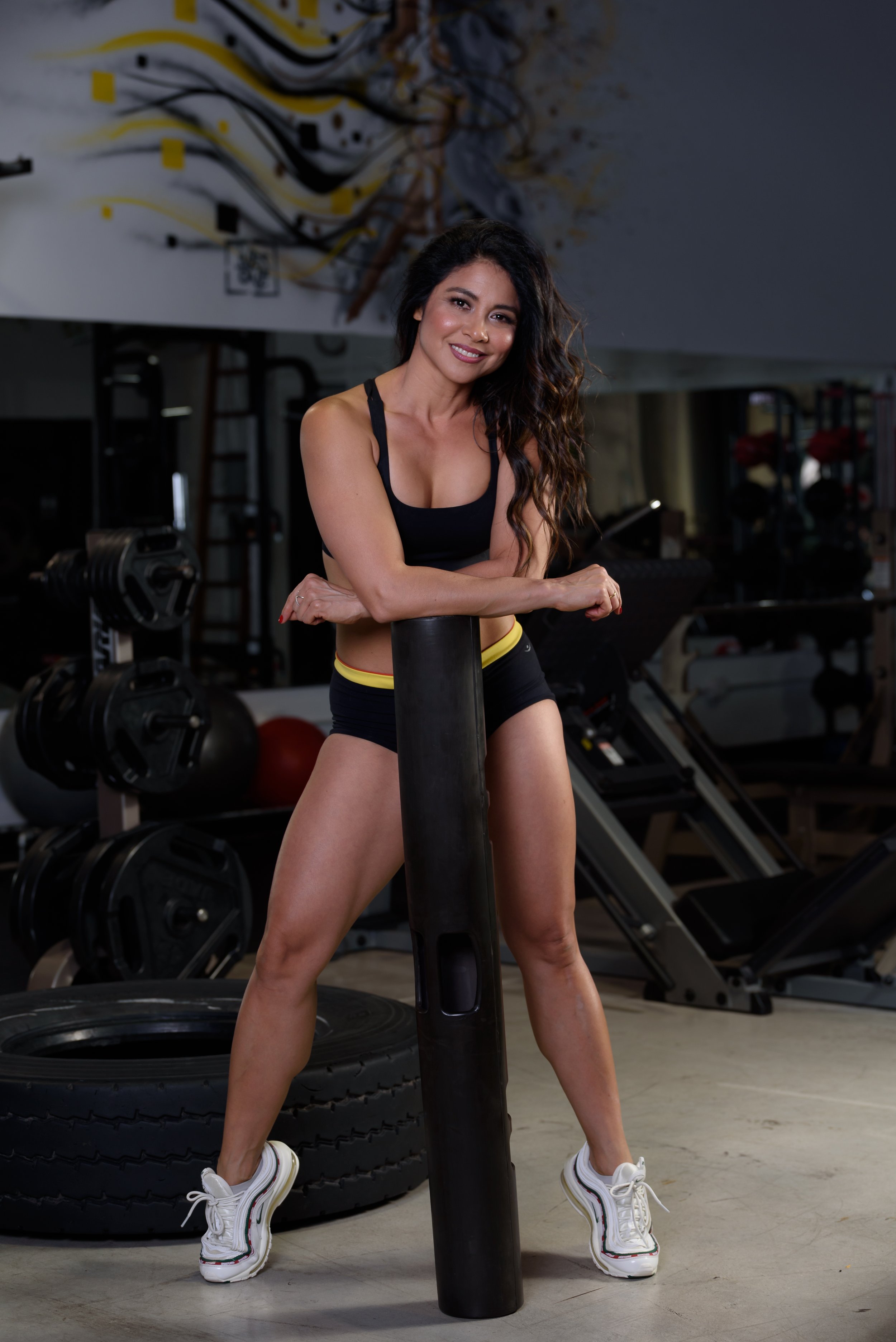
I know what it’s like to miss feeling like yourself.
My perimenopause symptoms began in my early 40s. Over time, body aches and joint pain, low energy, anxiety, depression and low mood began to affect my work and my personal life. By 51, after many months without a period, I thought I was nearing menopause. My period returned before I had gone 12 consecutive months without one, and at 52 my symptoms became intense again.
I’ve spent decades in fitness, but knowing how to exercise didn’t make me immune to what I was experiencing. Consistent training became harder, and everyday movement sometimes took more effort. I wanted to feel like myself again, move with less discomfort and have the energy to enjoy my life.
My experience shapes the way I coach: I listen, start with where you are, and adapt training to how you feel and what you want to do.
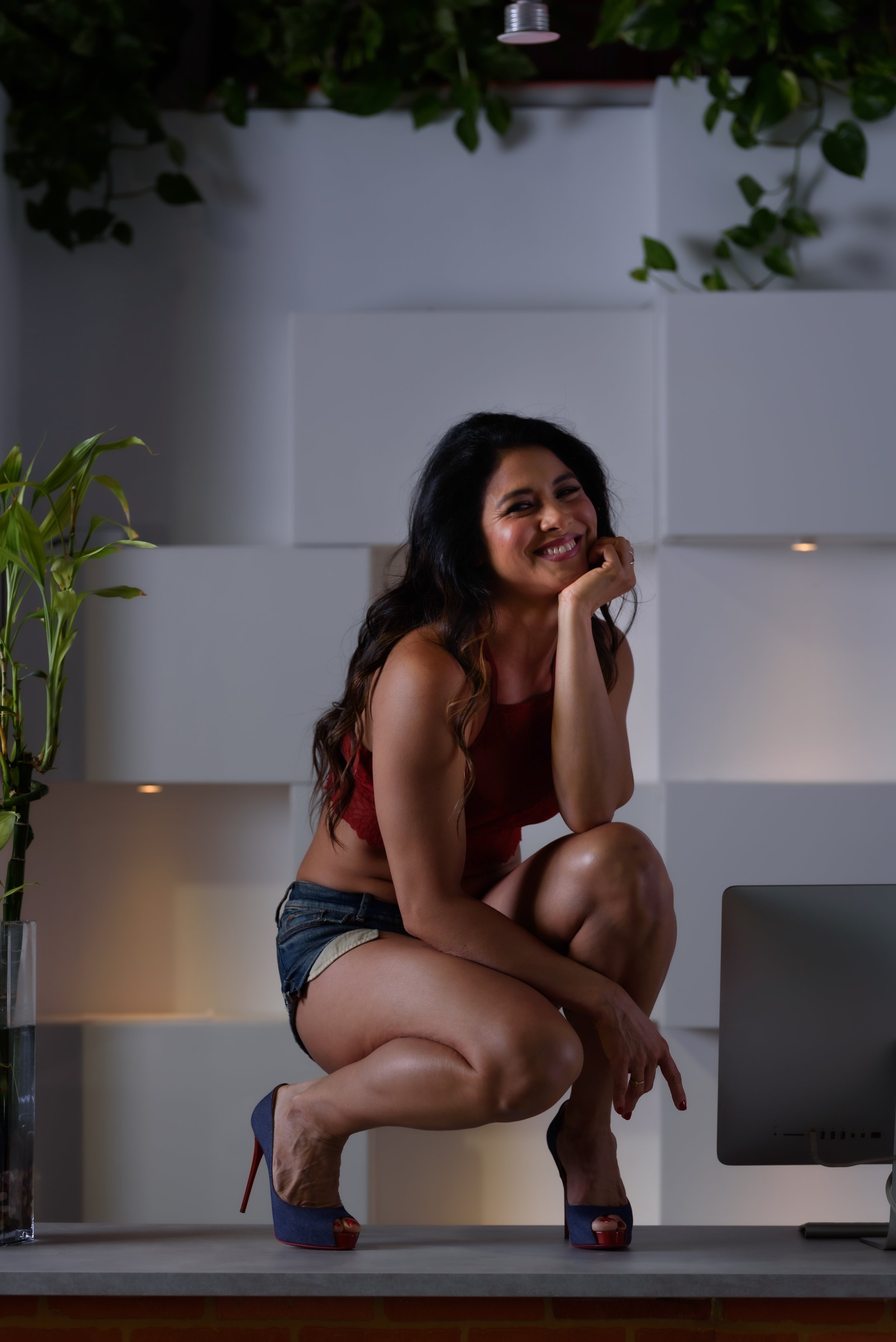
My heritage is part of my story. It doesn’t define your experience—or explain all of mine.
I’m Asian, Black and white. Research has found population-level differences in some menopause symptoms. In SWAN, Black women reported hot flashes and night sweats more often and for longer than the other racial and ethnic groups studied. In a study of women from several Asian populations, body and joint aches were commonly reported, though rates varied among groups. I experienced these symptoms throughout my 40s, and they became more intense at 51 and again at 52. This research adds context to my story, but it cannot tell me why I experienced these symptoms or predict what another woman will experience. My heritage is part of my story, and every woman’s experience deserves to be understood individually.
“I want to feel like myself again—and have the strength and energy to enjoy the life I’m living.”
You may be carrying a lot already
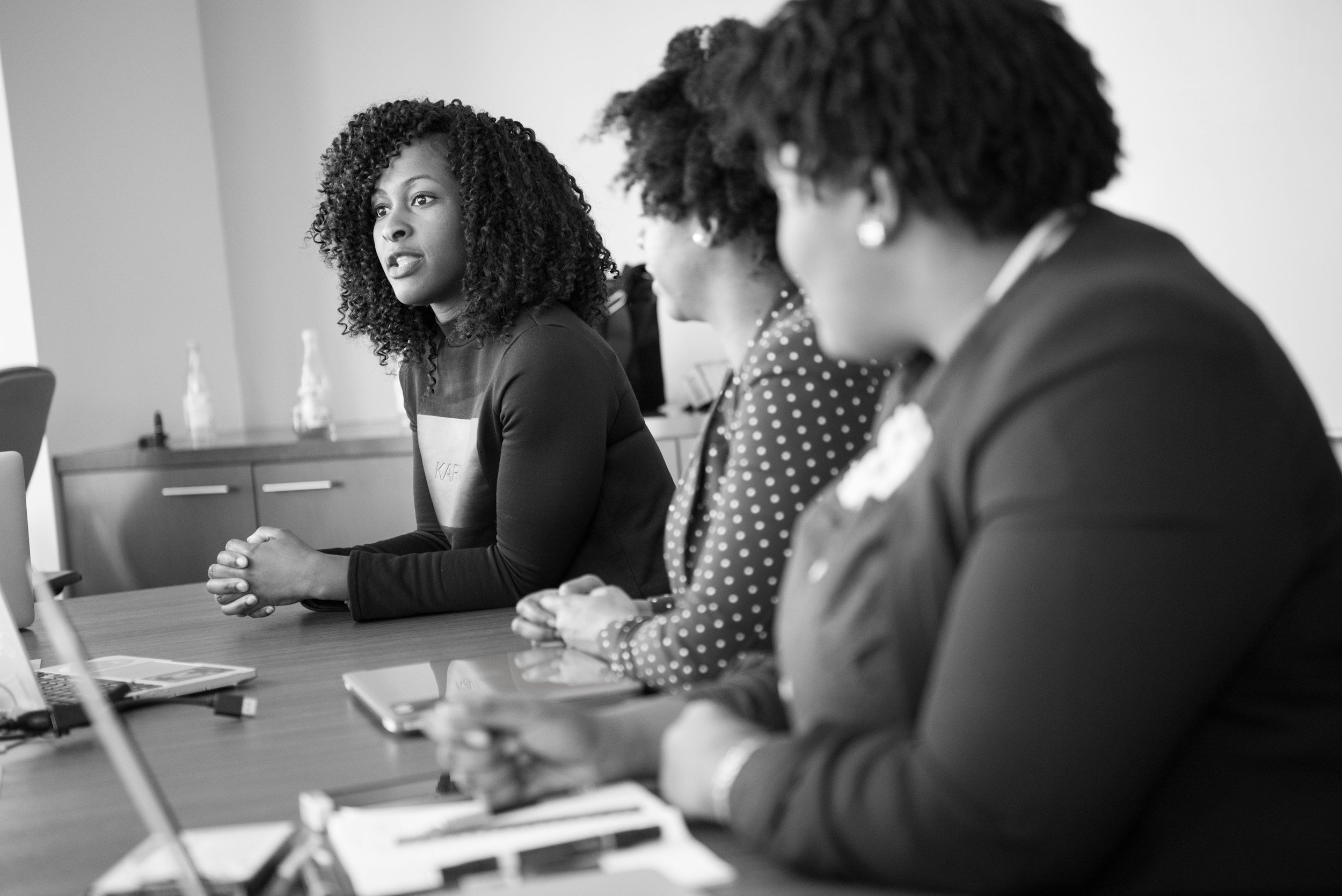
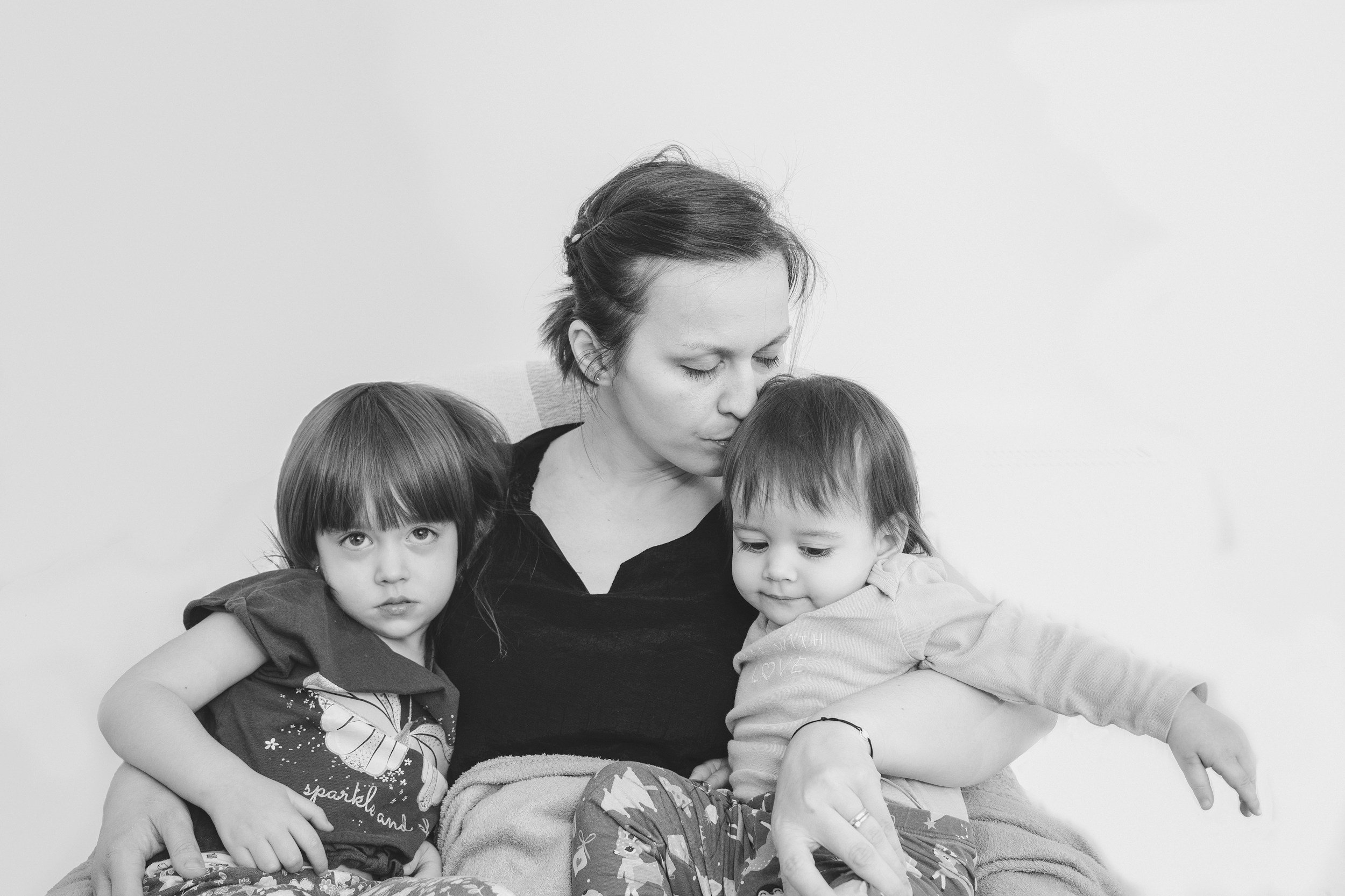
You might be leading a team, raising children, caring for family, training for a sport, or trying to find your way back after time away from exercise. You may have been active for years—or feel unsure where to begin.
Maybe your body feels stiff after a day at a desk. Maybe a restless night changes what feels possible the next morning. Maybe you’re tired of plans that assume every day is a high-energy day.
You don’t need to prove how fit you are before asking for help. We’ll begin with your body, your schedule and what you want to be able to do.
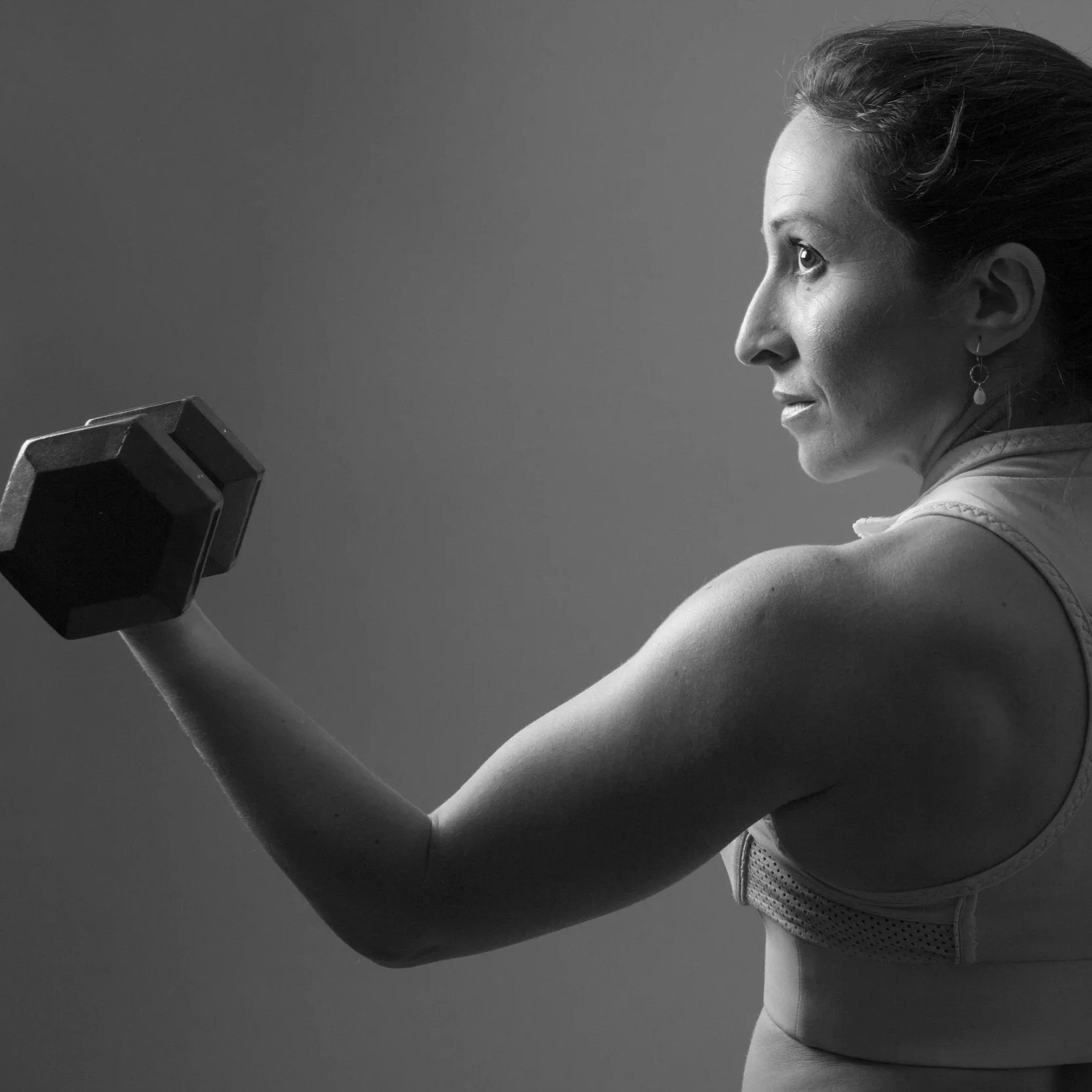
What training can help you work toward
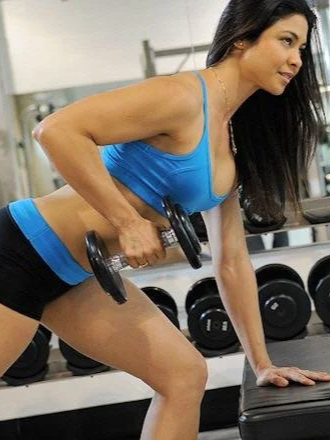
Strength
Practice lifting, carrying, pushing and pulling to build strength for everyday tasks and the activities you enjoy.
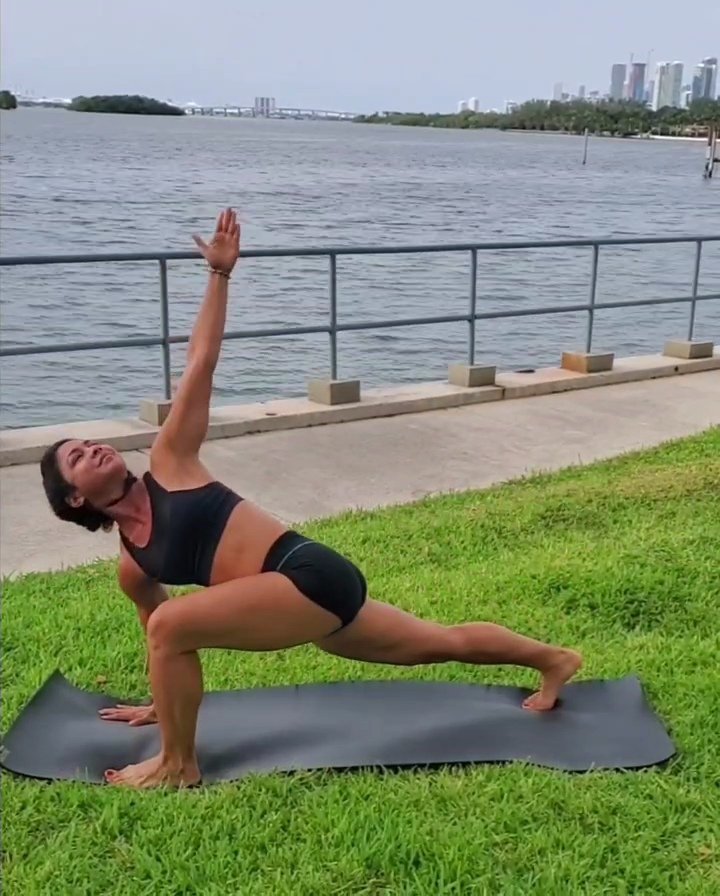
Mobility and movement
Practice reaching, bending and turning with control through the ranges of motion you use every day.
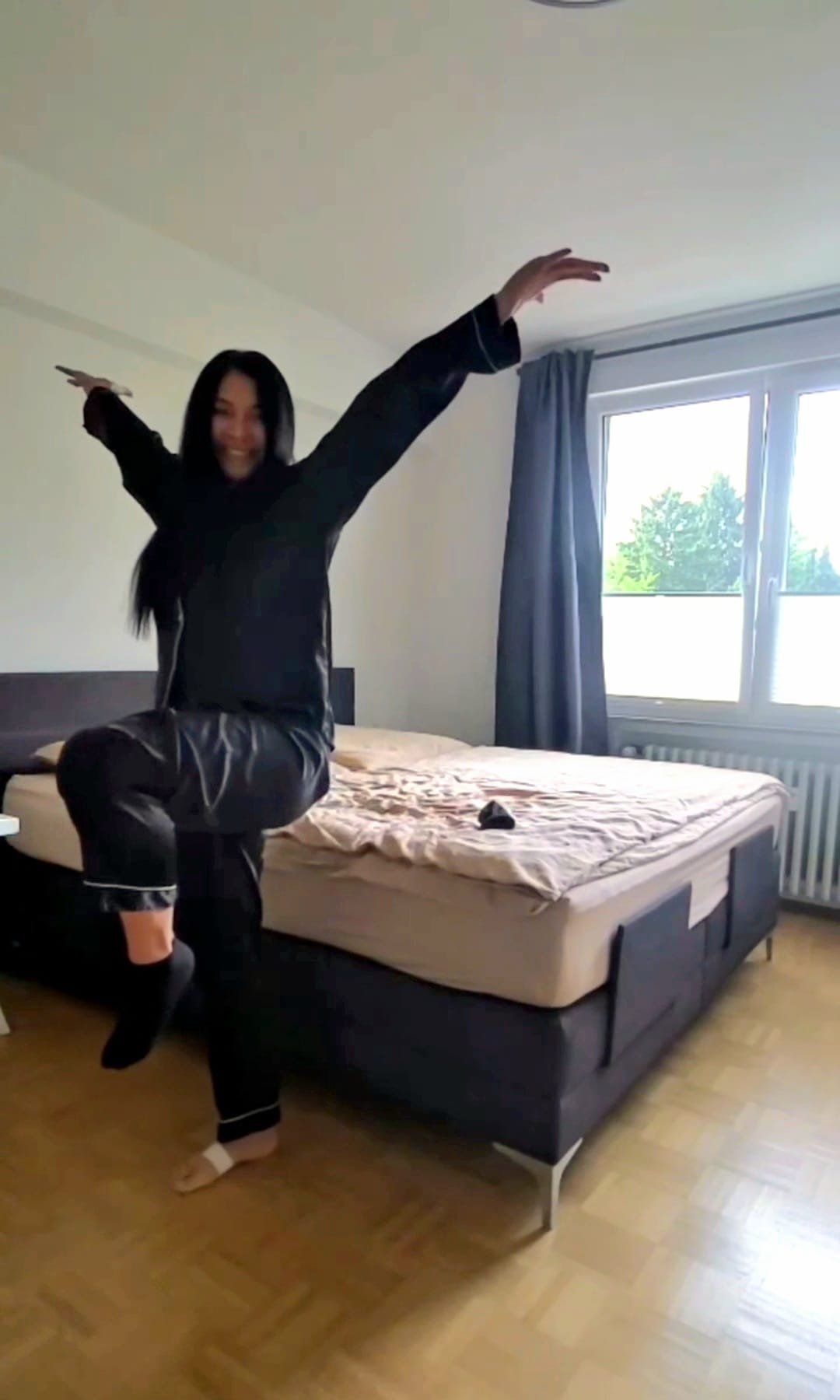
Balance
Build steadiness and control for everyday activities, including walking, stepping and changing direction.
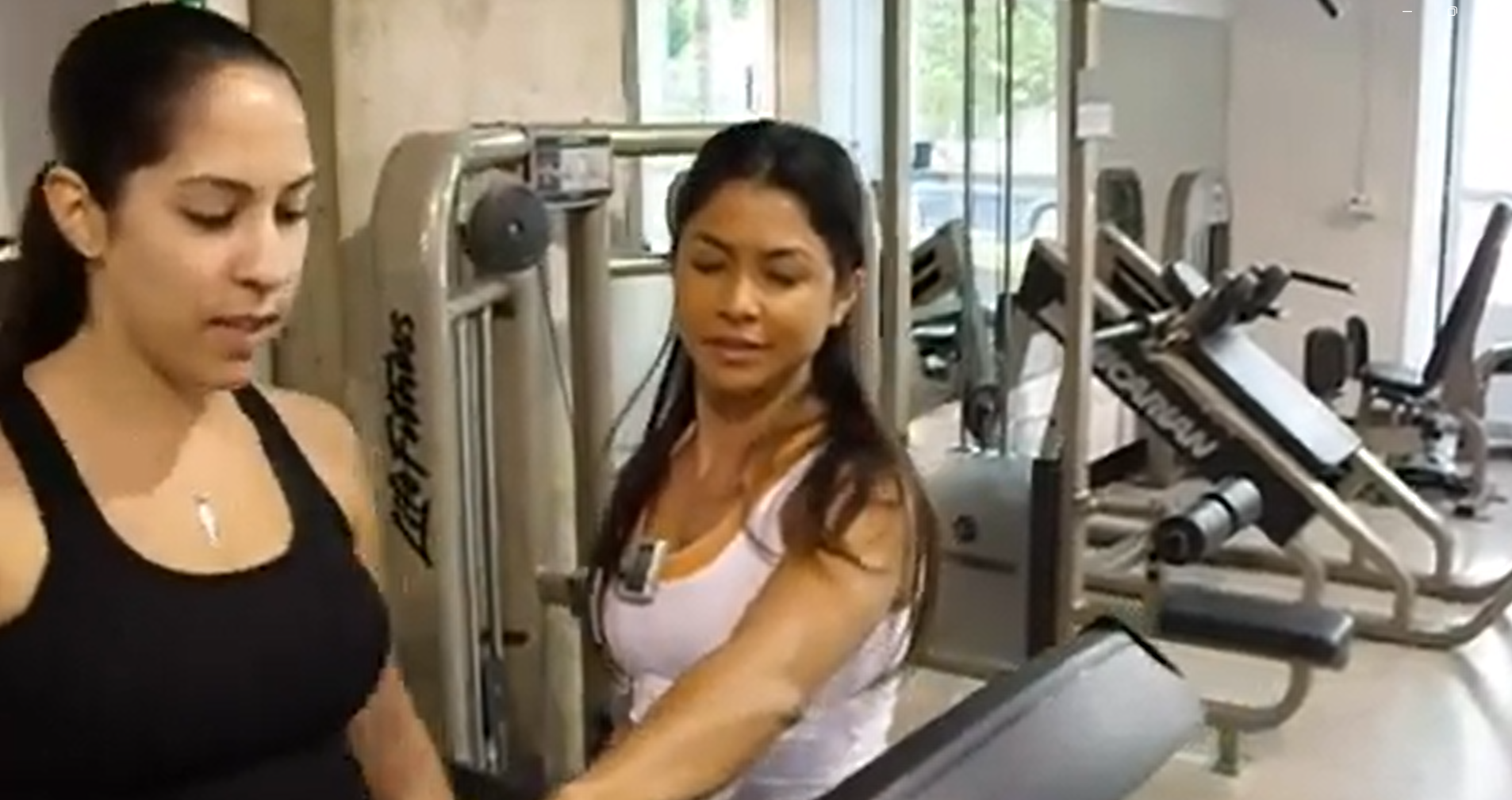
A routine that can flex
Adjust the pace and exercises around your energy, sleep and schedule.
Menopause can coincide with changes in body composition, strength and how your body feels. Strength training is one way to support muscle and bone health. It does not guarantee weight loss or relief from menopause symptoms; your program is designed around movement, function and the goals you choose
A simple, supportive process
1
Discovery call | 30 minutes
We’ll discuss your goals, current concerns and what you’d like to do more comfortably or confidently. You can ask questions and decide whether working together feels like a good fit.
2
Initial consultation | 60–90 minutes
This is a standalone appointment. Before we meet, I’ll email you health and exercise history forms to complete. We’ll review your goals, history and any relevant guidance from your healthcare provider. I’ll also observe a few foundational movements to understand where to begin.
3
Build your plan together
If you choose to continue with training, I’ll use what I’ve learned to create a plan around your goals, current abilities and how you’re feeling. Sessions may include strength, mobility and corrective exercises, with clear instruction and purposeful exercise choices.
4
Adjust as life changes
Your energy, sleep, aches and schedule can change. I’ll adapt your sessions as needed and progress at a pace that suits you.
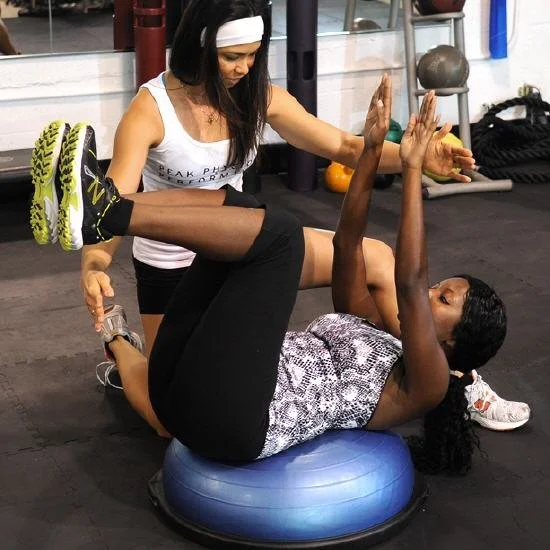
Experience matters. So does understanding how it feels.
I’m Lyen Wong, a movement and exercise specialist with nearly 30 years in fitness and more than 20 years as a personal trainer. My background includes advanced corrective exercise and work with women and adults through pregnancy, postpartum recovery, pain and midlife changes.
I bring professional training and lived experience to the same conversation. I’ll listen, explain why we’re doing an exercise, and help you find an approach that fits your body, goals and life.
Choose the format that works for you.

In-home personal training in Düsseldorf

In-home personal training in Miami
Live online personal training worldwide

FAQs
-
Training can support strength, mobility, balance and general wellbeing. It cannot guarantee relief from hot flashes, night sweats, low mood, anxiety or other symptoms. A healthcare professional can discuss symptom evaluation and treatment options; I can tailor exercise to your goals and current capacity.
-
Yes. We’ll talk about what you’re experiencing and begin with movements that fit your current ability. If you have a new, severe or unexplained symptom, or a medical concern affecting exercise, speak with your healthcare professional before training.
-
We can adapt the session. Your plan should account for how you’re feeling that day and progress over time, rather than assume every session will feel the same.
-
I don’t promise targeted fat loss. We can work toward strength, mobility, consistency and the goals that matter to you. If you want support with eating habits, we can discuss practical habits within my scope; medical nutrition needs should be addressed with an appropriate healthcare professional.
Take the First Step Today
You don’t need to accept weight gain, pain, stiffness, or limited mobility as an unavoidable part of aging. With the right training, you can build strength, improve posture, move with ease, and stay active and confident for decades to come.